

When selecting insulation tubing for medical devices, Polyimide (PI) tubing outperforms most alternatives in high-temperature resistance, dimensional precision, and mechanical strength. For minimally invasive instruments — catheters, endoscopes, stent delivery systems — where tight tolerances and biocompatibility are non-negotiable, PI tubing is often the definitive choice. This article compares PI tubing against PTFE, PEEK, nylon, and silicone across the metrics that matter most in clinical applications.
What Makes Polyimide Tubing Uniquely Suited for Medical Devices
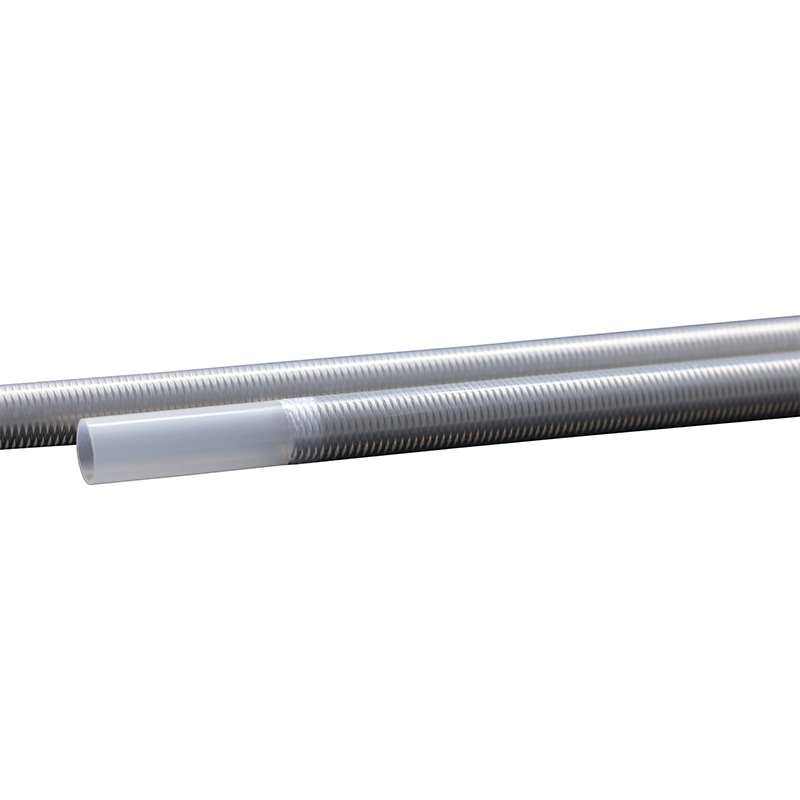
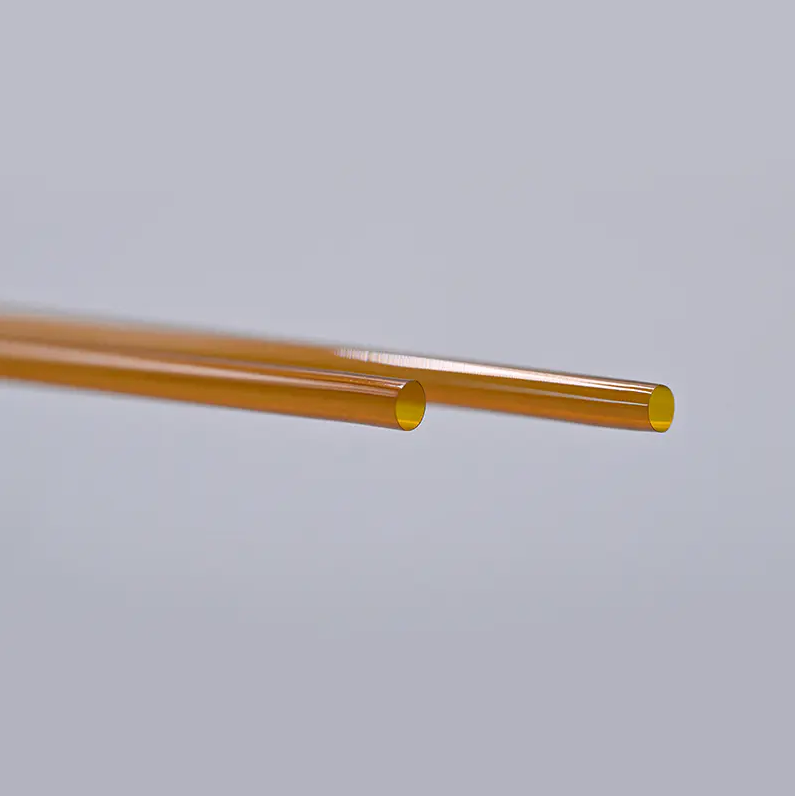
Polyimide is a high-performance polymer synthesized from aromatic dianhydrides and diamines, producing a material with an exceptional combination of thermal stability, mechanical rigidity, and chemical inertness. In medical tubing, these properties translate directly to functional advantages:
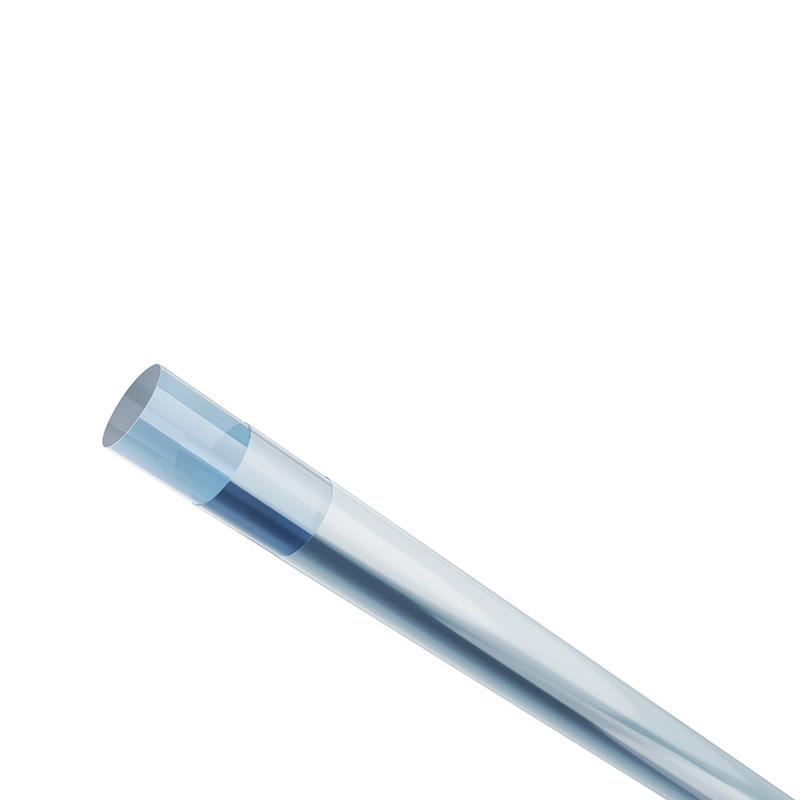
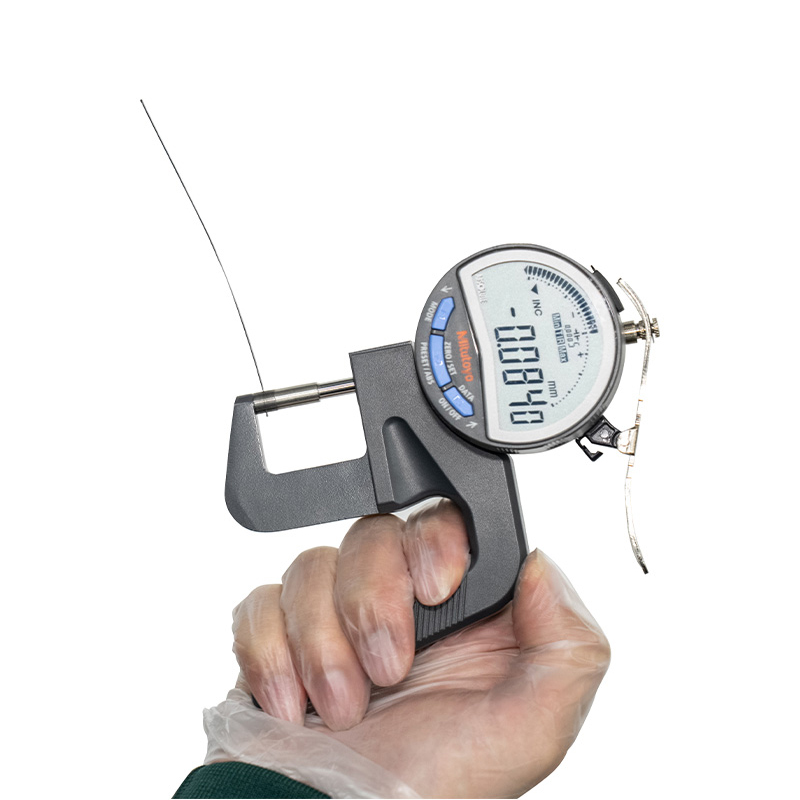
- Ultra-thin wall construction: PI tubing achieves wall thicknesses as low as 0.013 mm through advanced coating processes, maximizing inner lumen while maintaining structural integrity.
- Extreme temperature tolerance: Long-term operating temperatures exceed 350°C, with short-term peaks up to 450°C — critical during steam autoclave sterilization cycles.
- Dimensional stability: The stiff modulus of PI prevents kinking or deformation under catheter navigation forces, essential in tortuous vascular anatomy.
- Biocompatibility: PI tubing exhibits confirmed biocompatibility, meeting the requirements for implantable and blood-contacting device applications.
- Direct adhesion: PI bonds directly to nylon and TPU without surface pre-treatment, simplifying multi-layer catheter assembly.
LINSTANT's proprietary PI solutions extend these capabilities further by enabling customization of modulus, tensile strength, elongation, and color — allowing device engineers to fine-tune mechanical behavior for specific procedural demands.
Polyimide vs PTFE: Dimensional Precision and Structural Rigidity
PTFE (polytetrafluoroethylene) is a well-established liner material in catheters, prized for its lubricity and chemical resistance. However, PTFE's mechanical softness and limited structural rigidity make it unsuitable as a standalone structural tube in fine-gauge applications.
Key Differences
- Wall thickness: PTFE tubes typically require walls ≥0.05 mm for structural integrity; PI tubing achieves functional walls at 0.013–0.025 mm, preserving lumen diameter.
- Tensile modulus: PI has a tensile modulus of ~3–4 GPa vs PTFE's ~0.5 GPa — PI tubing resists deformation under torque and push forces in guidewire and catheter systems.
- Adhesion: PTFE's non-stick surface requires plasma or chemical etching before bonding; PI bonds directly to TPU and nylon, reducing manufacturing steps.
- Temperature range: Both handle sterilization temperatures well, but PI's 450°C peak rating provides more headroom for high-energy applications such as electrosurgical instruments.
In practice, PTFE is often used as an inner liner for lubricity while PI serves as the structural outer layer — a combination that leverages the strengths of both materials.
Polyimide vs PEEK: Performance at Extreme Conditions
PEEK (polyether ether ketone) is PI's closest competitor in medical high-performance tubing. Both materials share high modulus, thermal resistance, and biocompatibility, but they diverge significantly in processing, geometry, and specific mechanical profiles.
| Property | Polyimide (PI) | PEEK |
|---|---|---|
| Continuous Use Temperature | >350°C | ~260°C |
| Minimum Wall Thickness | ~0.013 mm | ~0.10 mm |
| Tensile Modulus | 3–4 GPa | 3.6–4.2 GPa |
| Biocompatibility | Confirmed | Confirmed |
| Direct Bonding (TPU/Nylon) | Yes, no pre-treatment | Requires surface treatment |
| Available Inner Diameter Range | 0.10–5.00 mm | 0.25–10 mm (typical) |
| Radiopacity (inherent) | Low | Low |
PI's significantly higher continuous-use temperature and ultra-thin wall capability make it the preferred choice for micro-catheter bodies and guidewire hypotube liners. PEEK may be preferred where greater wall thickness is acceptable and processing via extrusion alone is desired. LINSTANT operates dedicated PEEK extrusion lines alongside PI coating lines, giving device engineers access to both technologies under one supplier.
Polyimide vs Nylon and TPU: Flexibility vs Structural Performance
Nylon (polyamide) and thermoplastic polyurethane (TPU) are workhorses of catheter shaft construction — flexible, easy to extrude in multi-layer configurations, and available in a wide durometer range. They excel in distal catheter sections requiring soft, atraumatic contact with tissue. However, neither material approaches PI's rigidity or thermal performance.
Where PI Outperforms Nylon and TPU
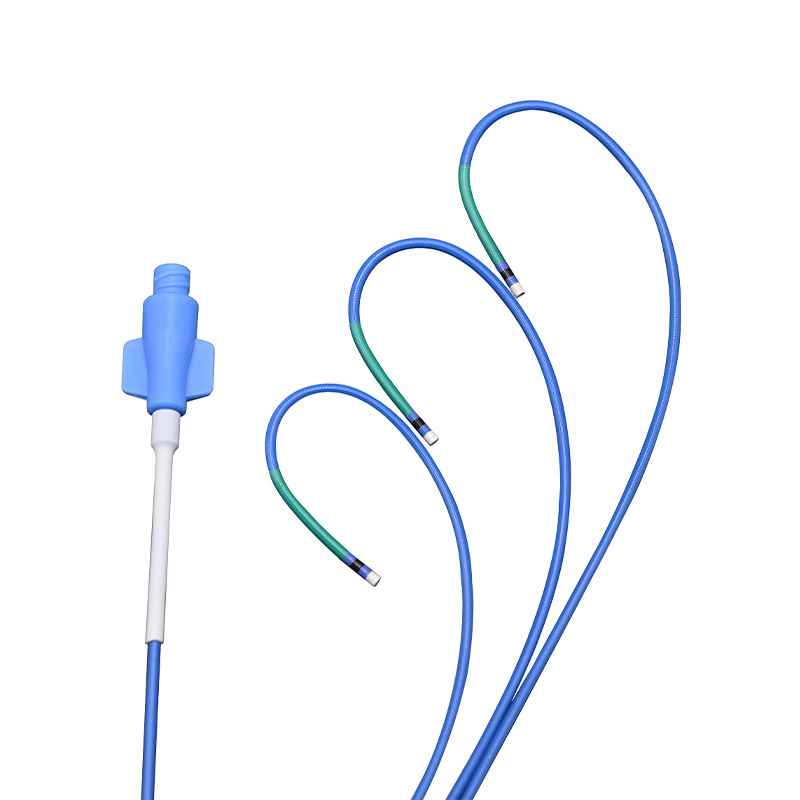
- Pushability: PI's high modulus enables torque transmission over long lengths without buckling — critical in electrophysiology (EP) mapping catheters and stone retrieval basket outer shafts.
- Temperature resistance: Nylon begins to soften above 150–200°C; TPU above 80–120°C. PI maintains structural integrity well past 350°C, enabling use in RF ablation, laser, and high-frequency ultrasound catheter systems.
- Wall-to-lumen ratio: For a given outer diameter, PI's thinner walls provide more inner working channel, a key advantage in urology and endoscopy where lumen space is premium.
Where Nylon and TPU Are Preferred
- Distal catheter tips requiring soft, conformable contact with vessel walls or delicate tissue.
- Multi-lumen catheter bodies where complex cross-sections favor extrusion over coating.
- Cost-sensitive, high-volume disposable devices where PI's premium cost is not justified.
A common high-performance catheter architecture layers PI structural tubing at the proximal shaft, transitioning to nylon or TPU at the distal end — PI's direct adhesion to both materials without surface pre-treatment makes this transition bond reliable and reproducible.
Polyimide vs Silicone: Biocompatibility and Mechanical Rigor
Silicone is extensively used in implantable medical devices — drainage tubes, balloon catheters, and long-term body contact applications — due to its outstanding flexibility, broad biocompatibility, and hydrophobic surface. Comparing it directly to PI reveals fundamentally different application niches.
- Rigidity vs flexibility: Silicone durometers typically range from Shore 20A to 80A; PI is rigid (tensile modulus 3+ GPa). Silicone suits long-dwelling soft implants; PI suits precision navigation instruments.
- Dimensional precision: PI's coating-based manufacturing achieves tighter ID/OD tolerances than silicone extrusion, which is important in guidewire compatibility and device interoperability.
- Tear resistance: PI significantly outperforms silicone in tear propagation resistance, preventing catastrophic failure in high-stress navigation scenarios.
- Biocompatibility: Both materials demonstrate biocompatibility; LINSTANT's PI tubing is validated for direct blood-contacting and implantable device use.
Medical Application Areas Where Polyimide Tubing Excels
PI tubing's property profile makes it the preferred insulation and structural material across several high-precision medical device categories:
Vascular and Structural Heart Disease
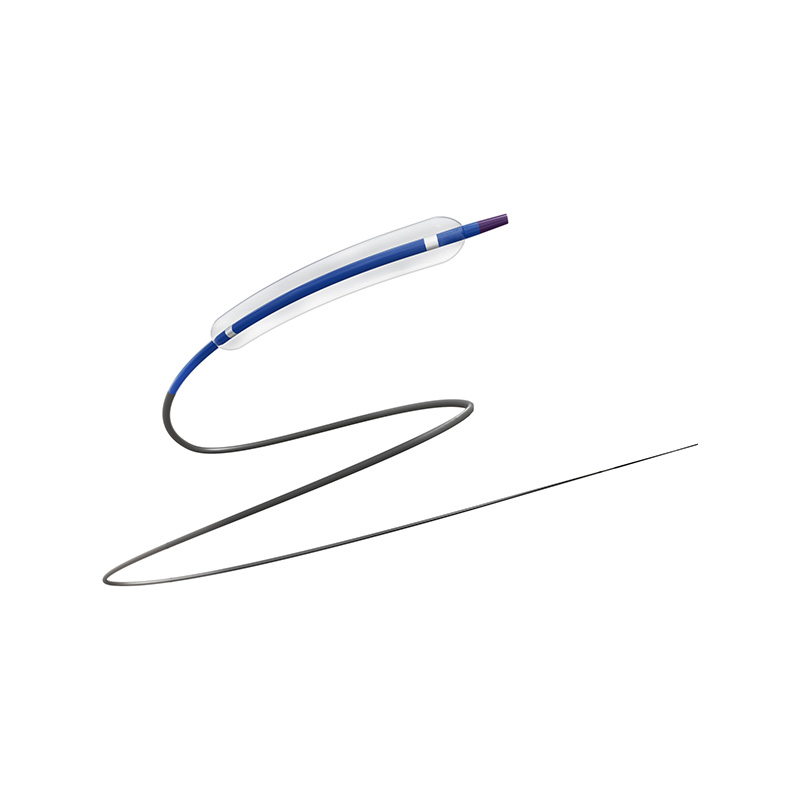
In vascular stent delivery systems and structural heart procedures (TAVR, MitraClip-type devices), PI tubing provides the stiff, thin-walled outer shaft needed to advance and deploy devices through long vascular access paths. Its resistance to kinking under the torque applied by interventionalists is a direct clinical performance factor.
Electrophysiology (EP)
EP mapping and ablation catheters require precise deflection control, excellent electrical insulation, and the ability to withstand RF energy at the tip. PI's dielectric strength (~220 kV/mm) and thermal resistance make it the standard insulation layer for electrode lead cables and catheter shafts in cardiac EP labs.
Endoscopy and Urology
In endoscopic catheter shafts and urological instruments such as stone retrieval basket outer tubes, PI's thin wall construction directly increases the working channel diameter within the same outer profile — allowing larger calculi retrieval or better fluid irrigation flow rates. Standard inner diameters from 0.10 to 2.00 mm cover micro-endoscopy applications; LINSTANT's capability to produce PI tubing at inner diameters up to 5.00 mm in volume production extends coverage to larger urological instruments.
Neurovascular and Neurology
Micro-catheters used in cerebral aneurysm embolization and neurovascular drug delivery demand the smallest possible outer diameter with sufficient pushability to reach distal cerebral vessels. PI is the material of choice for microcatheter bodies in these procedures, where any kink is a procedural complication risk.
Customization Capabilities: A Key Differentiator Over Standard Insulation Materials
Standard insulation materials like PTFE and silicone are largely commodity products with fixed property ranges. PI tubing, manufactured through proprietary coating processes, allows systematic tuning of mechanical and physical parameters:
- Modulus adjustment: Different PI formulations or multi-layer coating builds allow engineers to select from a spectrum of stiffness profiles — from relatively flexible PI for atraumatic distal tips to high-modulus PI for proximal shaft pushability.
- Color coding: Radiopaque or color-coded PI tubing supports procedural visualization and assembly identification — impossible with natural PTFE or clear silicone without additive compounding.
- Wall geometry: Ultra-thin walls achievable via coating processes are not replicable through extrusion alone, giving PI tubing a unique geometry envelope unavailable with PEEK or nylon.
- Elongation at break: Adjustable elongation properties allow PI to be tailored for applications where some ductility under strain is needed versus those where maximum rigidity is required.
LINSTANT's proprietary PI solutions provide this customization platform, making it possible for device teams to specify a PI tube to match a clinical performance target rather than designing around fixed material properties.
Manufacturing Scale and Quality Infrastructure at LINSTANT
Sourcing high-performance PI tubing from a supplier with robust manufacturing infrastructure is as important as the material specification itself. Inconsistent dimensional tolerances or lot-to-lot variability in a PI shaft can result in guidewire compatibility failures or assembly rejection rates that undermine device economics.
LINSTANT operates nearly 20,000 m² of cleanroom production space built to GMP standards, housing:
- 15 imported extrusion lines covering single-layer, dual-layer, and three-layer co-extrusion in varied screw sizes
- 8 dedicated PEEK extrusion lines for high-performance polymer tubing
- Nearly 100 sets of braiding, coiling, and coating equipment — directly supporting PI tubing production
- 40 welding and forming units for downstream catheter assembly
- 2 injection molding lines for component production
This integrated infrastructure enables LINSTANT to supply PI tubing from early prototype quantities through validated high-volume production within a single facility and quality system — reducing supplier qualification burden for device manufacturers.
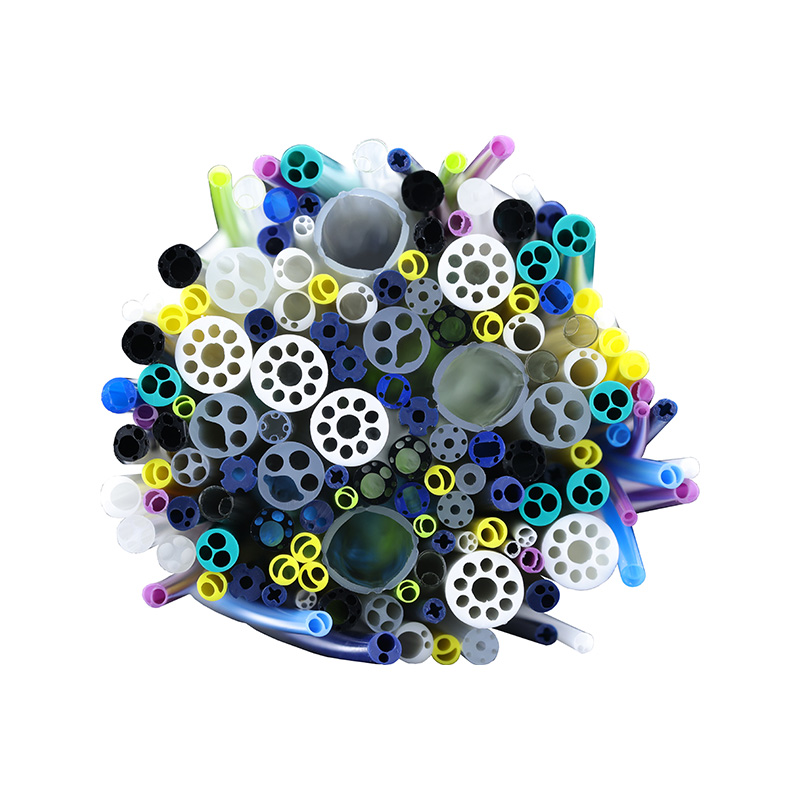
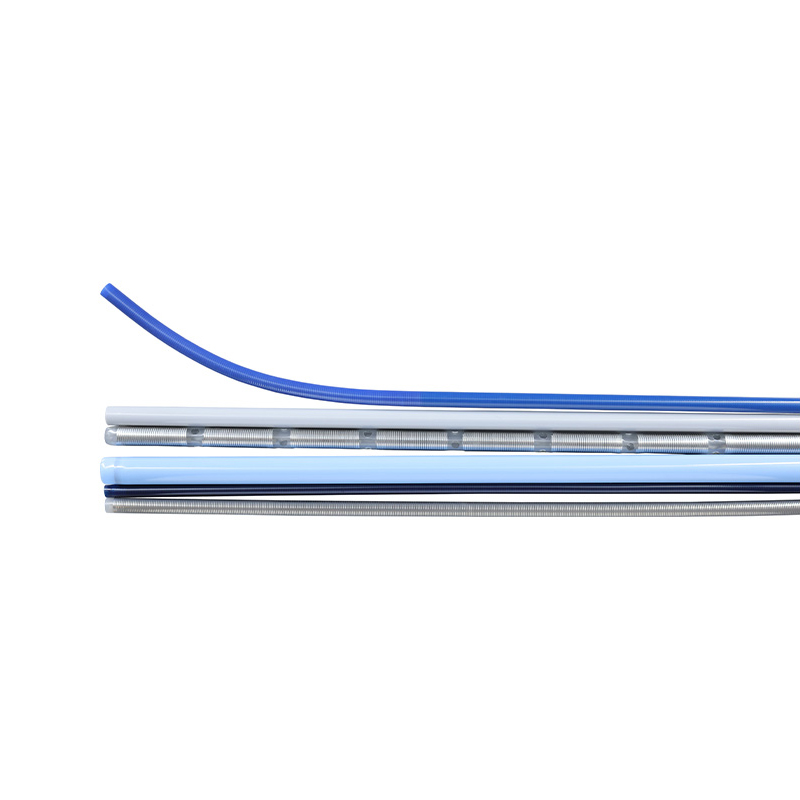
LINSTANT's product portfolio extends beyond PI tubing to include single/multi-lumen extrusion tubes, single/dual/triple-layer balloon tubing, braided and coiled reinforced sheaths, and PEEK tubes — providing a single-source solution for complex catheter and interventional device assemblies.
Selecting the Right Material: A Decision Framework
No single material is optimal for every medical tubing application. The following framework helps device engineers make the initial material selection:
| Design Requirement | Recommended Material | Reason |
|---|---|---|
| Ultra-thin wall, maximum lumen | Polyimide (PI) | Coating process achieves walls as thin as 0.013 mm |
| High pushability, torque transmission | PI or PEEK | Both offer 3+ GPa modulus; PI preferred for thinner walls |
| Temperature >260°C continuous | Polyimide (PI) | PI rated >350°C; PEEK limited to ~260°C |
| Soft, flexible distal tip | TPU or Nylon | Low durometer options, atraumatic tissue contact |
| Long-term implantable soft tube | Silicone | Proven long-term implant biocompatibility, flexibility |
| Low friction inner liner | PTFE | Lowest COF among polymers; ideal for guidewire interfaces |
| Bond PI shaft to nylon/TPU distal section | PI (no surface treatment) | PI bonds directly without primer or surface activation |
For complex catheter systems, the optimal design frequently combines multiple materials — with PI handling proximal shaft rigidity and high-temperature sections, transitioning to nylon or TPU for the distal body, and PTFE as an inner liner throughout. LINSTANT's capability to supply all these materials, including customized PI tubing with tunable mechanical properties, streamlines the vendor landscape for integrated catheter development programs.